

If you’ve ever watched a team go silent the moment something goes wrong, you’ve seen what fear-based accountability does—it shuts people down instead of opening them up. The real challenge isn’t getting people to own their work; it’s creating conditions where they’re willing to admit mistakes early and solve problems together. That shift starts with you, and it requires rethinking nearly everything most leaders default to when things fall apart.
Key Takeaways
- Leaders must model accountability by publicly owning mistakes and explaining decisions, since employees follow behavior over policy.
- Psychological safety lets people admit errors honestly without fear, enabling genuine ownership instead of self-protective avoidance.
- Clear expectations using frameworks like RACI and SMART goals anchor accountability to measurable progress rather than blame.
- Empower teams to make decisions and surface issues early through frequent checkpoints instead of rigid approval bottlenecks.
- Treat accountability breakdowns as diagnostic opportunities, using fact-based postmortems to extract actionable improvements rather than assign punishment.
Why Fear-Based Accountability Backfires
In many workplaces, accountability gradually drifts from its original purpose—ownership and follow-through—into something closer to blame and punishment, and once that shift takes hold, the consequences compound quickly.
You’ll notice people stop admitting mistakes, avoid necessary risks, and default to self-protection over shared problem-solving.
Research published in the 2022 *Organization Management Journal* confirms that trust and empowering leadership foster psychological safety, while fear-based systems increase group conflict and erode collaboration.
When retribution becomes the cultural norm, you don’t get compliance—you get avoidance.
Teams stall because employees wait for permission rather than act with ownership, bottlenecking decisions across every level.
Managing by metrics without human context only deepens this pattern, pushing people to optimize for defensiveness rather than genuine improvement when targets aren’t met.
Worse, fear-based accountability widens the strategy execution gap by eroding trust, stifling communication, and making people less willing to take the initiative needed to turn plans into results.
Model Accountability From the Top Down
Because accountability culture is shaped far more by what leaders consistently do than by what any policy document states, the daily behaviors of those at the top become the unwritten rules employees actually follow when deciding what’s safe and what’s risky.
Employees don’t follow your policies—they follow your behavior. Culture is built by what leaders consistently do.
When you publicly own mistakes and transparently explain your decisions, you signal humility and reduce fear, which makes candor and follow-through more likely across your organization. Leaders who consistently model accountability also reinforce a results-oriented focus that drives productivity and aligns teams with organizational goals.
To model accountability effectively, focus on these behaviors:
- Own errors openly so employees see that admitting mistakes won’t be punished but is actually expected.
- Frame candor as a capability, clearly communicating that challenge and feedback are welcomed rather than treated as insubordination.
- Empower team decision-making instead of funneling every approval upward, which distributes accountability and prevents bottlenecks that discourage managers from holding teams to standards.
Create Psychological Safety So People Take Ownership
Although modeling accountability from the top sets the tone, people won’t consistently own their work unless they feel safe enough to admit mistakes, surface problems early, and take calculated risks without bracing for blame.
Amy Edmondson’s research on psychological safety confirms this: when you remove the fear of punishment for honest disclosure, people step forward rather than hide.
A 2022 *Organization Management Journal* study reinforces this by linking organizational trust and empowering leadership to psychological safety, which directly reduces group conflict.
You should pair this safety with clear standards, defined expectations, and RACI-style role clarity so accountability anchors to shared commitments rather than anxiety.
When people know what’s expected and feel safe delivering honest updates, ownership becomes a natural response instead of a forced obligation.
To sustain this environment over time, leaders should use continuous communication and feedback loops so expectations, alignment, and psychological safety stay tightly connected.
Set Clear Expectations and Empower Decisions
Once people feel safe enough to own their work honestly, the next step is giving them something concrete to own—and that means setting expectations so specific that accountability becomes a matter of measuring progress, not assigning blame.
You can accomplish this by building clarity and empowerment directly into how your team operates:
- Use shared frameworks like RACI and SMART goals to define who’s responsible for what, so everyone understands what success looks like before work begins.
- Remove permission bottlenecks by empowering teams to make decisions without routing everything through one or two approvers, which eliminates ownership gaps and execution stalls.
- Build frequent checkpoints into workflows with defined deadlines so issues surface early and you reduce the last-minute escalations that trigger defensive behavior.
Pair these structures with regular, meaningful feedback so people can adjust quickly within established standards. By tying expectations and decision rights directly to your broader organizational alignment efforts, you ensure individual accountability supports—not competes with—your company’s strategy and shared values.
Turn Accountability Breakdowns Into Team Solutions
Even the clearest expectations and most empowered teams will hit moments where accountability breaks down—someone misses a deadline, a handoff falls through the cracks, or a project stalls because no one’s sure who owns the next step.
These moments aren’t failures to punish; they’re signals to diagnose.
Accountability breakdowns aren’t reasons to assign blame—they’re invitations to dig deeper and build better systems.
When a breakdown occurs, replace blame with a fact-first team postmortem.
Gather objective data, identify what happened and why, then extract one to three actionable improvements the team commits to together.
You should also clarify roles using a framework like RACI so ownership gaps don’t recur, and schedule regular checkpoints where issues surface early—before they escalate.
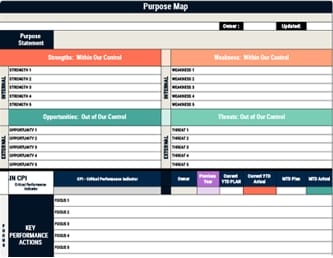
This approach transforms accountability from individual punishment into a collective problem-solving loop, where missed commitments become the catalyst for stronger team systems. Adding simple, observable Key Performance Actions to these solutions ensures that improvements become visible daily habits instead of one-time intentions.
Frequently Asked Questions
How Do You Maintain Accountability Standards During Rapid Organizational Growth or Scaling?
You’ll want to document clear role expectations and performance metrics before scaling, so new hires understand accountability standards from day one.
As you grow, embed accountability into your onboarding process, assign mentors who model ownership, and establish consistent feedback loops across all teams.
You should also regularly audit whether your systems still fit your organization’s size, adjusting structures to prevent gaps where responsibility becomes unclear.
Can Accountability Culture Work Effectively in Fully Remote or Asynchronous Teams?
Yes, accountability culture can work effectively in remote teams—research from Owl Labs shows that remote workers report feeling 52% more productive, yet you’ll need deliberate systems to sustain accountability without proximity.
You should establish clear deliverables with documented deadlines, use asynchronous check-ins through shared project boards, and create transparent progress tracking that everyone can access.
How Should Accountability Expectations Differ for New Hires Versus Veteran Employees?
You should gradually scale accountability expectations based on tenure and role familiarity.
For new hires, focus accountability on learning milestones, asking questions, and meeting onboarding benchmarks rather than performance outputs.
As they gain experience, shift expectations toward ownership of results, proactive communication, and mentoring others.
Veteran employees should be held accountable for modeling cultural standards, driving outcomes independently, and contributing to team-wide accountability without requiring constant oversight.
What Metrics Best Measure Whether an Accountability Culture Is Actually Working?
Like a telegraph transmitting crucial signals, you’ll want to track metrics that reveal real cultural health: employee engagement scores, voluntary turnover rates, frequency of proactive problem reporting, goal completion percentages, and 360-degree feedback trends.
You should also monitor how often teams meet deadlines without managerial intervention, since that indicates internalized ownership rather than compliance driven by fear, which directly confirms your accountability culture’s producing genuine results.
How Do You Rebuild Accountability After a Major Leadership Change or Merger?
You’ll want to start by acknowledging that previous accountability norms have shifted, then collaboratively create new expectations with teams rather than imposing top-down directives.
Define clear roles, decision rights, and responsibility early so people don’t default to confusion or blame.
You should establish quick wins that demonstrate follow-through is important, reinforce transparency through regular check-ins, and ensure leaders model the behaviors they’re asking others to adopt consistently.
Conclusion
When you replace heavy-handed oversight with shared ownership, you’ll find your team addresses missteps more openly and resolves challenges before they become full-blown setbacks. By modeling transparency, fostering psychological safety, setting clear expectations, and treating shortcomings as learning moments rather than career-limiting events, you’re building a culture where accountability feels less like a corrective measure and more like a natural extension of how your team operates every day.