

You could have the most enthusiastic workforce on the planet, but without strategic alignment, that energy becomes noise rather than progress. When your engagement initiatives operate in isolation from business objectives, you’re fundamentally asking employees to row hard without telling them which direction the boat should go. The disconnect between leadership vision and daily work creates confusion that surveys can’t solve. What follows reveals the hidden mechanics behind engagement failures—and how you can prevent them.
Key Takeaways
- Engagement initiatives without strategic alignment become isolated activities that consume resources without driving meaningful business results.
- Leadership misalignment causes employees to receive mixed messages, forcing them to guess priorities and eroding motivation and trust.
- Traditional engagement surveys capture emotional symptoms without diagnosing root causes like unclear roles and strategic disconnection.
- HR-driven engagement efforts fail when leadership vision contradicts daily operational reality and stated cultural values.
- 70% of strategic plans fail due to poor execution, which organizational misalignment directly accelerates and compounds.
What Strategic Alignment Really Means for Engagement
When organizations invest in employee engagement without connecting it to their broader business objectives, they’re fundamentally building a house without a foundation.
Employee engagement without strategic alignment is like building a house without a foundation—it simply won’t stand.
Strategic alignment means your engagement initiatives directly support what your organization is actually trying to accomplish, whether that’s increasing market share, improving customer satisfaction, or driving innovation.
Aligned organizations can grow revenue 58% faster and be 72% more profitable.
You need to understand that alignment isn’t just about having engagement programs—it’s about ensuring those programs serve a clear business purpose. When you achieve this connection, you can communicate why engagement matters to every stakeholder, which drives greater buy-in and accountability across all levels.
Without this purposeful link, your engagement efforts become isolated activities that consume resources but fail to deliver meaningful, sustainable results that move your organization forward.
The Leadership Problem Behind Low Engagement Scores
Although most organizations point to external factors or workforce attitudes to explain disappointing engagement scores, the root cause almost always traces back to leadership behaviors and decisions that either nurture or undermine how connected employees feel to their work. A well-designed Business Operating System reinforces alignment by establishing clearly defined roles and connecting day-to-day work to company goals.
When you examine struggling teams closely, you’ll typically find leaders who fail to communicate how daily tasks connect to broader organizational objectives, leaving employees without a clear sense of purpose or direction.
You need to recognize that leadership gaps manifest in several critical ways: inconsistent messaging about priorities, failure to provide meaningful feedback, and neglecting to involve team members in decisions that affect their work.
These behaviors create disconnection between what employees do and why it matters, directly suppressing engagement levels across your organization.
Why Engagement Surveys Measure Symptoms, Not Causes?
Because engagement surveys capture how employees feel at a specific moment, they’re inherently limited in their ability to reveal the underlying organizational dynamics that created those feelings in the first place. You’re fundamentally/basically/essentially measuring emotional responses without understanding what triggered them.
Consider what surveys typically miss:
- The systemic processes and structural decisions that shape daily work experiences
- The gap between stated organizational values and actual leadership behaviors
- The connection between strategic priorities and individual role clarity
When you rely solely on survey data, you’re treating symptoms like low motivation or dissatisfaction without diagnosing root causes. You need to look beyond the numbers and examine how your organization’s strategic direction aligns with what employees experience daily. A well-designed organizational alignment survey can help uncover whether strategy, structure, and systems are working in harmony or creating friction.
How to Spot Alignment Gaps Before Engagement Erodes
Before engagement scores begin their downward slide, alignment gaps typically reveal themselves through observable patterns that leaders can learn to recognize if they know where to look. Watch for mixed messages coming from different executives, which signal unresolved differences despite surface-level agreement.
Notice when decision-making slows without clear explanation, as this often indicates leadership teams struggling to reach genuine consensus behind closed doors.
You should also pay attention to disconnects between what leaders say and what they do. When stated priorities don’t match resource allocation or daily behaviors, employees notice immediately, and trust begins eroding well before survey results capture the damage.
Regularly applying McKinsey 7-S can help pinpoint where strategy, structure, and shared values are drifting out of sync before disengagement becomes visible in survey data.
Track whether your strategy, operations, and leadership behavior tell a consistent story, because misalignment among these three elements predicts transformation failure and engagement decline long before formal metrics reflect the problem.
Why Misaligned Leaders Drain Team Engagement
When leaders operate from different playbooks, their teams absorb the confusion and pay the price in depleted motivation and fractured trust. You’ll notice the symptoms long before engagement surveys capture them: decisions stall, accountability softens, and energy visibly drops across your workforce. In fact, 70% of strategic plans fail due to poor execution, which misalignment accelerates.
Leadership misalignment doesn’t show up in surveys first—it shows up in stalled decisions and depleted energy.
Misalignment creates three distinct drains on engagement:
- Mixed messages force employees to guess which direction matters, causing hesitation and disengagement.
- Inconsistent standards breed resentment when different teams face different expectations for similar work.
- Slow decision-making signals organizational dysfunction, making employees question whether their contributions matter.
Your teams don’t need perfect leaders, but they do expect coherent behavior. When you address leadership alignment directly, you remove the root cause of disengagement rather than treating symptoms with initiatives that ultimately backfire.
When Leadership Messages Don’t Match Daily Reality
Leadership promises often fall apart the moment employees step into their actual work environment, and this gap between what executives say and what teams experience daily creates one of the most damaging forms of organizational dysfunction. When you hear leaders champion empowerment but then watch managers micromanage every decision, you’re witnessing a contradiction that directly undermines your trust and commitment to the organization.
You’ll notice this misalignment when contradictory messages from different leadership levels leave you uncertain about actual priorities and expectations. The stated culture emphasizing collaboration or innovation doesn’t match the rigid, fear-based environment you navigate each day. This inconsistency breeds cynicism among you and your colleagues, making engagement initiatives feel hollow. Without genuine alignment between leadership vision and your daily reality, meaningful organizational change becomes nearly impossible to achieve. Research indicates 67% of strategies fail due to poor execution, making consistent communication, clear ownership, and regular check-ins essential to keeping daily work aligned with leadership intent.
Why HR Alone Can’t Fix Employee Engagement?
How often have you watched HR departments launch engagement surveys, plan team-building events, and roll out recognition programs, only to see employee morale remain stagnant or continue declining? The problem isn’t HR’s effort—it’s the assumption that engagement belongs exclusively to one department.
Employee engagement fails when it becomes HR’s job alone—it demands shared ownership across every level of leadership.
Employee engagement requires daily reinforcement from everyone who interacts with your workforce. When you isolate this responsibility to HR, you create a fundamental disconnect between initiatives and implementation. Without strategic alignment, engagement efforts remain disconnected from organizational objectives and quickly lose momentum.
Consider these critical gaps that emerge:
- Managers lack the training to provide clarity and support during workplace changes
- Senior leaders don’t integrate engagement goals into strategic business decisions
- Feedback loops break down because employees never see meaningful changes from their input
You’ll only achieve sustainable engagement when managers, leaders, and employees share accountability for creating a connected workplace culture.
How Manager Behavior Connects to Engagement Outcomes
Your managers serve as the primary bridge between organizational strategy and daily employee experience, which explains why their behavior accounts for up to 70% of the variance in engagement levels across teams. When managers lack proper training and support, they struggle to provide clear direction, meaningful feedback, and a sense of purpose to their direct reports. Applying the 1-3-10 second rule to team communication—making priorities instantly visible, problems quickly identifiable, and ownership/action clear—helps managers translate strategy into daily behaviors employees can follow.
You’ll notice that managers who model engaged, empowering behaviors consistently drive higher team morale, innovation, and performance outcomes. However, without structured development on engagement best practices, your organization will experience inconsistent employee experiences across departments.
Organizations that intentionally equip managers as engagement champions achieve considerably higher levels of sustainable employee commitment. You must invest in your managers’ capabilities if you expect engagement initiatives to succeed.
The Operating Model That Makes Engagement Stick
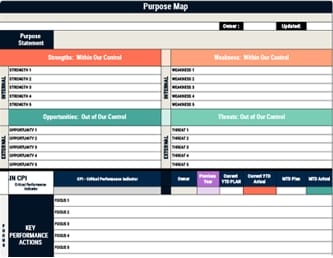
A well-designed operating model functions as the structural foundation that transforms engagement from a periodic initiative into a consistent organizational capability. When you build engagement into your daily operations rather than treating it as a separate program, you create sustainable results that withstand leadership changes and market pressures. To make this operating model executable, use the CPI→KPI→KPA loop to tie engagement outcomes to the vital few success measures, the KPIs that influence them, and the daily actions that keep teams accountable.
Your operating model should incorporate these three essential elements:
- Decision rights that clarify who owns engagement outcomes at each organizational level
- Information flows that guarantee managers receive timely feedback about their team’s engagement status
- Accountability mechanisms that link engagement metrics to performance evaluations and business reviews
You’ll find that engagement becomes self-sustaining when these structural components work together, eliminating the need for constant top-down reinforcement and allowing teams to maintain momentum independently.
Four Foundations for Lasting Engagement Change
While operating models provide the structural framework for engagement, lasting change requires four interconnected foundations that address both the technical and human dimensions of organizational transformation. You’ll need to establish clear leadership accountability, systematic measurement practices, communication infrastructure, and capability development programs that work together seamlessly. Practical tools like visual management boards can reinforce measurement and communication by making performance deviations immediately visible and actionable.
These foundations don’t operate in isolation; they reinforce each other to create sustainable momentum. When you build leadership accountability without measurement systems, you can’t track progress or identify gaps. Similarly, communication infrastructure without capability development leaves your workforce informed but unprepared to act on new expectations.
You should view these foundations as load-bearing walls in your engagement architecture. Remove one, and the entire structure becomes unstable. Each foundation requires dedicated resources, consistent attention, and integration with your broader strategic objectives to deliver meaningful results.
Frequently Asked Questions
Why Does Strategic Alignment Matter?
Strategic alignment matters because it connects your employees’ daily work to your organization’s broader goals, giving their efforts purpose and direction.
When you align engagement initiatives with strategic objectives, you’re ensuring that motivated employees channel their energy toward outcomes that actually move the business forward.
Without this connection, you’ll waste resources on engagement activities that feel good but don’t drive meaningful results.
What Would Happen if the HR Strategy Is Not Aligned With the Organizational Strategy?
If your HR strategy isn’t aligned with organizational strategy, you’ll find that engagement initiatives lose their impact and become viewed as mere compliance exercises rather than business priorities.
Your managers won’t receive the proper tools and training they need to foster team engagement effectively, and your efforts will become disconnected from core business goals, ultimately rendering them ineffective as workplace dynamics continue to evolve beyond your organization’s adaptive capacity.
Conclusion
You can invest heavily in engagement surveys, wellness programs, and team-building events, but without strategic alignment, you’re decorating a crumbling structure. True engagement doesn’t come from isolated HR initiatives—it comes from leaders who connect daily work to organizational purpose. When you address alignment first, engagement becomes a natural outcome rather than a forced metric, and your efforts finally produce the lasting results you’ve been chasing.