

You’ll use a simple, five‑phase playbook—Assess, Develop, Deploy, Normalize, and Exit—to drive adoption with clear roles, focused communications, training, and manager coaching, all tied to measurable outcomes. You’ll map stakeholders, build a champion network, and track KPIs that link behavior change to benefits realization, while governance and sustainment plans keep momentum. With feedback loops and accountable handovers, you’ll see what’s working in real time—then decide how to adjust before the next move.
Key Takeaways
- Use a flexible, CMBoK-aligned 5-phase playbook (Assess, Develop, Deploy, Normalize, Exit) tailored to your organization’s context.
- Map stakeholders and build a champion network with clear roles, cadence, and readiness tracking to accelerate adoption.
- Execute integrated communications, training, and manager coaching, aligned to objectives and timed to stakeholder needs.
- Define adoption and benefits metrics with thresholds, monitor continuously, and trigger corrective actions to sustain outcomes.
- Establish feedback loops, convert insights to a prioritized backlog, and plan a controlled exit with governance and ownership.
What Is a Change Management Playbook?
Although the name suggests a rigid manual, a change management playbook is a flexible collection of practical, field-tested practices you can adapt to your organization’s unique challenges rather than a formal methodology or step-by-step guide. You use it as a toolkit that encourages experimentation, helping you tailor approaches to context, culture, and risk, while avoiding one-size-fits-all prescriptions. It’s loosely organized around the CMBoK® 2nd Edition Change Practice Framework, giving you actionable examples instead of rigid instructions, so you can select what works and discard what doesn’t. Each section highlights Why and Value to clarify purpose, How with Tools and Techniques to guide execution, When with Timing and Context to fit circumstances, and Who with Contributors to align roles, plus Tips, Useful Insights, and a concise Summary for practical application across experience levels. To ensure cohesion across initiatives, incorporate strategic alignment practices from established models so your change playbook supports shared goals and effective communication.
The 5-Phase Playbook Process (Assess→Exit)
Blueprint for action, the 5-Phase Playbook Process (Assess→Develop→Deploy→Normalize→Exit) gives you a clear, end-to-end path for planning, executing, and sustaining change, linking early insight to lasting results. In Assess, you gather project assessment details, change impacts, stakeholder analysis, readiness signals, and risk data, then translate them into clear objectives and constraints that shape your approach.
A clear, end-to-end path from early insight to lasting results through disciplined, objective-driven change.
In Develop, you define strategies, plans, and materials that target the right audiences with the right timing, aligning leaders and teams around measurable outcomes.
In Deploy, you execute communications, training, and targeted adoption activities, monitoring uptake and adjusting tactics quickly.
In Normalize, you embed new behaviors into routines, governance, and performance metrics, reinforcing accountability.
In Exit, you transition ownership, stabilize improvements, and confirm ongoing benefits.
To sustain momentum and ensure adaptability, establish governance rhythms with regular progress tracking that connect strategy to day-to-day execution and keep teams aligned and accountable.
Build Your Playbook’s Stakeholder and Champion Network
Where do you start when turning stakeholders into an active champion network that drives adoption at the front line and sustains it over time? Begin by mapping stakeholders across leaders, managers, HR, business analysts, and functional owners, then assess their influence, interest, and readiness to support change. Define clear roles: executives sponsor and remove roadblocks, managers model behaviors and reinforce standards, and change champions accelerate team‑level engagement by sharing credible, peer‑to‑peer examples. Build a structured network with named champions for each unit, a cadence for touchpoints, and a simple charter that states expectations, escalation routes, and success metrics. Use stakeholder assessments to target coaching, communication roadmaps to sequence engagement, and readiness status reports to monitor adoption risks, celebrate quick wins, and redirect support promptly. Incorporate regular feedback loops to maintain organizational alignment, ensuring shared values and clear communication keep stakeholders focused on strategic objectives.
Playbook Communications, Training, and Manager Coaching
How do you turn intent into action as change reaches the front line? You operationalize your playbook through three levers: communications, training, and manager coaching, each designed to move people from awareness to confident performance. Use the communications roadmaps and templates to deliver consistent, timely, and transparent messages to every impacted group, clarifying what’s changing, why it matters, and what support exists, while avoiding mixed signals.
Plan training as part of the change, not after it, specifying who needs what skills, when they need them, and how delivery methods fit job realities, so employees gain competence at the moment of need. Equip managers with coaching plans and tear‑out worksheets that help them anticipate resistance, run team huddles, reinforce desired behaviors, and sustain momentum with practical deployment tools. Strategic alignment is critical for execution—remember that 70% of strategic plans fail due to poor execution, so ensure communications, training, and coaching stay tightly linked to your objectives.
Measure Adoption With Your Playbook KPIs
Sometimes the simplest question—are people actually using the new way of working—requires precise, front-line KPIs that track behavior, not just outcomes, so you define measures that show how processes have changed in practice. Anchor your metrics in observable actions: time-to-adoption by role, user engagement with training assets, and frequency of use for new tools or process steps. Link each KPI to the playbook phases—Assess, Develop, Deploy, Normalize, Exit—so you can see which interventions accelerate adoption and where friction persists.
Build regular feedback loops with pulse surveys and short interviews to capture sentiment, surface resistance patterns, and explain adoption velocity gaps. Use visual dashboards to segment results by region, function, and manager, highlighting hotspots. Review trends weekly, trigger targeted coaching, and adjust communications, training, or job aids accordingly.
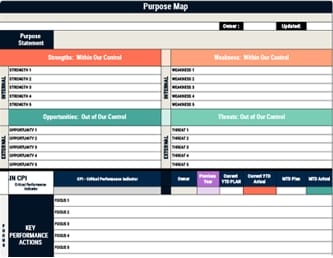
To prevent measurement overload and keep focus, tie each adoption KPI to a few Critical Performance Indicators that define success and reinforce daily KPAs that turn insights into action.
Realize and Track Benefits From Change
Why pursue change if you can’t prove it pays off, so anchor your initiative in a benefits realization plan that links specific change activities to measurable outcomes, accountable benefits owners, and time-bound targets. Translate your vision into a benefits map that distinguishes strategic playbooks, which drive long-term shifts, from project-level plans, which deliver near-term results, then align both to annual targets. Define clear metrics, KPIs, and milestones that track adoption, readiness, and value realization across phases. Assign benefits owners for each outcome, specify baselines, and set forecast and actuals schedules, ensuring finance partners validate assumptions. Use dashboards and regular assessments to surface trends, verify progress, and trigger corrective actions. Coordinate stakeholder engagement, training, and resistance management to remove barriers, accelerate uptake, and protect benefits. Strengthen both vertical and horizontal alignment so change benefits compound through improved collaboration and productivity, leveraging balanced alignment to drive faster revenue growth and profitability.
Sustain the Change and Plan Your Exit
Someone has to own the steady state, so you build a sustainment plan that embeds new behaviors into daily work, monitors adoption over time, and prepares a clean exit to operations with no ambiguity about who does what next. You define metrics that track persistent use, quality, and outcomes, then set thresholds that flag drift and trigger corrective actions, such as refresher training or process tweaks. You keep leadership sponsors and change champions active, asking them to model the behaviors, review data routinely, and reinforce accountability in performance conversations. You create feedback loops that collect frontline insights and convert them into backlog items. Finally, you craft a formal exit plan detailing knowledge transfer, documentation closure, ownership, and benefit sustainment, then execute a controlled handover. To strengthen sustainment, align monitoring and handover with a connected business model that unifies data and reinforces real-time, cross‑functional accountability.
Frequently Asked Questions
How Do We Tailor the Playbook for Small, Resource-Constrained Teams?
Prioritize a single, high‑impact goal, then strip steps to essentials: clarify the problem, define outcomes, assign owners, and set a four‑to‑six‑week timeline. Use lightweight tools—one-page plan, weekly stand‑ups, and a simple dashboard. Replace formal training with peer demos and quick guides. Pilot with a tiny slice, capture lessons, and iterate. Predefine “stop” criteria, protect 10–15% focus time, and communicate via brief, regular updates to maintain alignment and momentum.
What Common Pitfalls Derail Change Playbook Execution Early On?
Common early pitfalls include vague goals, weak sponsorship, and poor stakeholder mapping, which create confusion and resistance. You overlook capacity limits, skip baseline metrics, and underestimate dependencies, so timelines slip. You under-communicate, relying on one channel, while ignoring feedback loops and quick wins that build credibility. You neglect role clarity, training, and change impacts on incentives, leading to misalignment. Mitigate by defining outcomes, securing visible champions, sequencing work, and tracking adoption, not just delivery.
How Should We Budget Time and Resources for Change Activities?
Allocate 15–20% of project effort to change activities, scaling up for complex or high‑impact shifts. Fund a dedicated change lead, part‑time change agents, communications, training design and delivery, stakeholder workshops, measurement, and adoption tools. Timebox discovery early, schedule recurring sponsor and risk reviews, and front‑load communications. Reserve a 10% contingency for resistance or rework. Track adoption metrics monthly, reallocate budget to channels that drive behavior change, and phase investment by milestone.
Which Digital Tools Best Support Playbook Governance and Version Control?
Use Confluence or Notion for structured playbook pages, pair them with Git or GitHub for rigorous version control, branching, and pull requests, and manage approvals through Jira or Azure DevOps workflows.
Store canonical documents in SharePoint or Google Drive with permissions and audit trails, while enabling redlined edits via Word or Google Docs.
Add Lucidchart or Miro for governed diagrams, and enforce governance with templates, review cadences, change logs, and role‑based access.
How Do We Handle Conflicting Initiatives Competing for Attention?
You resolve competing initiatives by enforcing a single prioritization framework, aligning each effort to strategic objectives, quantified value, risk, and resource needs. Build a visible intake and scoring process, require clear problem statements, and map dependencies to reveal conflicts. Use capacity planning to set realistic limits, then sequence work through a governance cadence. Communicate trade‑offs, retire or pause low‑value efforts, and assign accountable owners who track outcomes and escalate bottlenecks quickly.
Conclusion
You’ll follow the five-phase playbook—Assess through Exit—because spontaneous transformation is a fairy tale, and metrics don’t collect themselves. You’ll map stakeholders, activate sponsors, and deploy champions, then align communications, training, and manager coaching to real goals, not motivational posters. You’ll track adoption KPIs, link them to benefits, and adjust with feedback. Finally, you’ll hand off with governance and sustainment plans, ensuring accountability, visibility, and embedded behaviors, so the change survives the launch party and the next budget cycle.