

Choosing the right operational excellence consultant can mean the difference between transformative results and wasted resources, yet most organizations approach this decision without a clear framework. You’re about to invest significant time and money into someone who’ll reshape how your teams work, so you can’t afford to rely on polished presentations alone. Before you even start evaluating candidates, there’s one critical step that will determine everything that follows.
Key Takeaways
- Identify specific operational problems and define measurable KPIs before engaging any consultant.
- Choose consultants with direct industry experience and verified track records of delivering measurable results.
- Request detailed case studies with documented outcomes rather than accepting broad success claims.
- Prioritize consultants who build sustainable solutions and mentor existing staff over those pushing quick fixes.
- Assess cultural fit and ensure the consultant’s working style aligns with your organization’s values.
Know Exactly What’s Broken Before You Call Anyone
Before you start researching consultants or requesting proposals, you’ll need to conduct a thorough internal assessment that identifies the specific operational failures, inefficiencies, or gaps that are driving your need for outside expertise. This means documenting where processes break down, where bottlenecks occur, and where resources are being wasted.
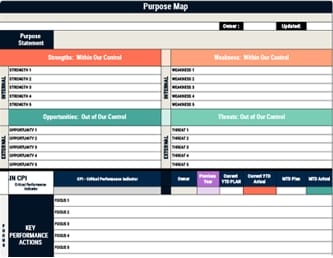
Start by agreeing on 3-5 Critical Performance Indicators that define success, then trace the KPIs and daily actions that influence them.
You should gather concrete data that quantifies these problems, including metrics on cycle times, error rates, customer complaints, and financial losses tied to operational issues. Talk to your frontline employees and managers who deal with these challenges daily, as they’ll often pinpoint root causes that leadership overlooks.
When you can articulate precisely what’s broken and measure its impact, you’ll be positioned to evaluate whether a consultant’s expertise actually matches your organization’s specific needs.
Why the Best Consultants Think Like Operators
Once you’ve mapped out your operational problems and gathered the data to support your findings, you’ll want to find a consultant who doesn’t just diagnose issues and hand over a report—you need someone who thinks and acts like an operator.
The best consultants understand that quick fixes rarely stick. They focus on building sustainable solutions by optimizing your existing protocols and leveraging your staff’s capabilities rather than overhauling everything at once. They’ll also help you document and standardize work into a Business Operating System so roles, responsibilities, and processes stay clear and accessible long after the engagement ends.
When it comes to technology implementation, they’ll insist on optimizing your sales processes before introducing automation tools. They also recognize that new systems only succeed when paired with proper change management, ensuring solutions become embedded in your organization’s fabric.
Most importantly, operator-minded consultants view engagements as opportunities to mentor your existing team members, building long-term organizational strength rather than creating dependency.
Make Sure They Actually Know Your Industry
Industry expertise can make or break your consulting engagement, so you’ll want to dig deep into a consultant’s background before signing any agreements. A generalist consultant might understand operational principles, but they won’t grasp the specific challenges that define your sector.
When evaluating a consultant’s industry knowledge, focus on these critical factors:
- Hands-on experience working within your specific industry, not just adjacent fields
- A proven track record of delivering measurable results for similar businesses
- References from clients in your sector who can verify their expertise
- Deep familiarity with industry-specific regulations, standards, and compliance requirements
- Established relationships and networks that can provide valuable resources and partnerships
These elements guarantee your consultant can develop tailored solutions rather than applying generic frameworks that miss your operational realities. Ask how they apply visual management tools to improve transparency with real-time feedback and uncover inefficiencies for continuous improvement.
Verify Results Through Case Studies, Not Promises
How can you truly separate consultants who deliver results from those who simply talk a good game? You’ll need to dig into detailed case studies that showcase tangible achievements in operational contexts similar to yours. Don’t accept broad claims about success; instead, ask for specific examples demonstrating how they’ve optimized workflows or boosted productivity in real-world scenarios. Remember that 70% of strategic plans fail due to poor execution, so you should insist on proof the consultant can translate plans into sustained operational results.
You should assess measurable KPIs and documented outcomes from their past projects, which will verify their actual ability to deliver improvements. Take time to scrutinize their methodology and understand exactly how their approach led to sustainable, long-term gains rather than temporary fixes. Speaking directly with past clients provides unbiased feedback that corroborates the consultant’s stated capabilities, giving you confidence that their track record matches their promises.
Test for Cultural Fit Before You Sign
Why does cultural fit matter so much when you’re selecting an operational excellence consultant? A firm might’ve impressive credentials, but if their working style clashes with your organization’s culture, the engagement will struggle to gain traction. High-performing teams depend on clear roles and shared purpose, so your consultant should reinforce—not disrupt—those foundations.
Before you sign any contract, assess these critical compatibility factors:
- Working style alignment: Evaluate whether the firm’s communication approach matches how your teams operate daily.
- Personal chemistry: Determine if the consulting team can build genuine trust and rapport with your staff.
- Shared values: Confirm the firm’s ethics align with your organizational principles for sustainable partnership.
- Adaptability: Test whether consultants can flex their methods to accommodate your unique environment.
- Collaborative mindset: Ensure the team integrates smoothly rather than operating in isolation.
Set Milestones and Feedback Loops That Last
When you’ve selected your operational excellence consultant, the real work of building accountability structures begins immediately. You’ll want to establish clear milestones and timelines that track project progress from day one, guaranteeing both parties understand expectations and deliverables at each phase.
Implement regular feedback loops with your key stakeholders to gather input and make mid-course corrections when business needs evolve. This approach keeps the project aligned with your organization’s changing priorities while fostering open communication and shared problem-solving that builds trust.
You should leverage performance metrics and key indicators to objectively measure the success of initiatives over the long-term. Apply the 1-3-10 second rule to ensure performance information is quickly understood, problems are immediately identifiable, and next actions and owners are clear during reviews. Maintain strong financial controls and tracking throughout the engagement to verify accurate billing, efficient resource utilization, and your ability to demonstrate return on investment to leadership.
Frequently Asked Questions
What Is the Rule of 3 in Consulting?
The Rule of 3 in consulting involves presenting you with three viable options rather than a single recommendation when addressing your challenges. This approach lets you compare different strategies, make more informed decisions, and actively participate in selecting the best solution.
It guarantees your consultant has explored multiple paths and considered diverse perspectives, ultimately helping you receive a tailored recommendation that fits your specific operational needs.
What Are the 5 Habits of Operational Excellence?
Companies that embrace operational excellence see up to 25% higher productivity rates. You’ll want to master these five habits: continuously improving processes through data-driven decisions, eliminating waste using lean management principles, communicating transparently across all organizational levels, managing risks proactively while adapting to market changes, and investing in employee development to foster innovation.
When you’re consistent with these practices, you’ll build a foundation for sustainable operational success.
Conclusion
You’ve now got a roadmap for selecting a consultant who’ll deliver real results rather than empty promises. Consider this: organizations that implement structured operational excellence programs see an average 25% improvement in productivity within the first year. By following these steps—assessing your needs, verifying industry expertise, examining case studies, and establishing clear milestones—you’ll position your organization to achieve measurable, lasting improvements that justify your investment.