

Every organization on the planet claims to value accountability, yet most can’t point to a single system that actually enforces it. If you’ve ever watched deadlines slip, ownership dissolve, or feedback conversations go nowhere, you already know the gap between intention and execution. Building real accountability isn’t about pressure—it’s about structure, clarity, and follow-through. What follows is a framework that closes that gap, starting with the one thing most leaders get wrong.
Key Takeaways
- Define expectations using the “X to Y by When” format so everyone knows exactly what success looks like.
- Assign clear ownership through tools like the RACI matrix to eliminate gaps and overlaps in accountability.
- Leaders must model accountability daily by admitting mistakes publicly and consistently honoring their commitments.
- Establish regular feedback loops that treat failures as learning opportunities rather than grounds for blame or punishment.
- Reward ownership and initiative alongside results to reinforce accountable behavior across the organization long-term.
What a Culture of Accountability Looks Like
A culture of accountability goes beyond simply checking tasks off a list—it means employees consistently own their decisions, follow through on commitments, and take responsibility for measurable outcomes tied to their work. In this environment, accountability functions as a cornerstone of integrity and trust-building, where transparency and clear expectations replace blame when things go wrong.
You’ll notice that high-accountability teams focus on results and doing what’s right, not merely hitting deadlines. Mistakes aren’t buried—they’re acknowledged and treated as learning opportunities. Leaders maintain active feedback loops through frequent, constructive check-ins paired with genuine recognition of ownership. This reliable delivery strengthens trust through both competence and character, ensuring that expectations and outcomes stay consistently aligned across your organization. Teams reinforce this culture by defining clear roles and responsibilities so ownership is unmistakable and accountability becomes part of everyday execution.
Accountability vs. Responsibility at Work
While people often use “accountability” and “responsibility” interchangeably, understanding the distinction between them is essential for building a workplace where ownership truly drives results.
Responsibility refers to the actions you take to complete assigned tasks, while accountability means you own the outcomes those tasks produce.
You can fulfill every responsibility on your checklist and still lack accountability if you don’t treat the end result as yours.
Accountability is results-oriented, meaning you’re answerable for measurable outcomes, not just deliverables.
Responsibility, by contrast, is task-oriented.
Effective managers clarify who’s accountable for specific outcomes because accountability can’t exist when people don’t understand what they’re answering for.
When you accept ownership of results rather than just activities, you build the integrity and trust that sustain long-term performance.
Embedding accountability into performance dashboards and regular reviews ensures outcomes are visible, tracked, and consistently owned.
Why Most Organizations Struggle With Accountability
Even when leaders understand the difference between accountability and responsibility, most organizations still fail to put accountability into practice.
Research shows that accountability is the most neglected behavior among upper-level managers, and while 72% of senior HR executives consider leadership accountability critical, only 31% are satisfied with current levels.
Nearly three-quarters of senior HR executives call leadership accountability critical, yet less than a third are satisfied with it.
The root cause is often a lack of clarity.
Approximately 85% of employees aren’t sure what their organization is trying to achieve, and one-third say constantly shifting priorities make accountability nearly impossible.
When 93% of employees can’t connect their daily work to organizational goals, you can’t expect them to own results.
Meanwhile, 20% of business leaders estimate that up to half their workforce isn’t being held accountable at all.
Without strategic alignment, even well-defined plans break down in execution, contributing to the widespread accountability gap.
How Accountability Drives Trust and Performance
When people consistently honor their commitments and follow through on what they’ve said they’ll do, trust becomes the default rather than the exception. This eliminates what experts call “trust taxes”—the hidden costs of second-guessing, micromanaging, and redundant check-ins that slow execution and hurt revenue growth.
Accountability also strengthens alignment by clearly linking individual roles to organizational objectives, which prevents overlap and closes responsibility gaps. When ownership is transparent and goals are measurable, your teams can identify bottlenecks earlier and resolve issues collaboratively rather than reactively. This kind of clarity is often reinforced through frameworks like OKRs, which connect daily work to broader strategic goals.
Without this clarity, you’ll see missed handoffs, confusion, and stalled results. High-accountability organizations also report less stress, fewer sick days, and higher life satisfaction—proving that trust doesn’t just drive performance, it sustains the people behind it.
Set Clear Expectations That Drive Accountability
Accountability’s foundation rests on expectations that are specific enough to act on and clear enough to measure, yet most organizations fall short here—surveys indicate that roughly 85% of employees aren’t sure what their organization is actually trying to achieve, which makes holding anyone accountable nearly impossible.
You can close this gap by framing every expectation using the “X to Y by When” formula paired with SMART criteria, so people know exactly what “done” looks like.
Make these expectations visible by assigning clear ownership through a RACI matrix, which eliminates gaps and overlaps that let work slip through cracks.
Then tie each task directly to your organization’s strategic priorities and run consistent check-ins—weekly or biweekly—to measure progress, surface blockers early, and realign goals before deadlines pass.
Reinforce this clarity by visualizing priorities in a strategy map so everyone can see how their work connects to broader organizational goals.
Lead by Example and Model Accountability Daily
Because 84% of survey respondents identify leader behavior as the single most influential factor shaping organizational accountability, the standard you walk past—or the commitment you quietly drop—sets the real benchmark your team follows, regardless of what’s written in a policy manual.
You should model accountability daily by practicing these four behaviors:
- Admit mistakes publicly and follow through with corrective actions, because accountability builds trust through both integrity and demonstrated results.
- Honor commitments reliably, since keeping promises is a foundational high-trust behavior that models the follow-through you expect from others.
- Align your work to measurable goals using an “X to Y by when” framework and track progress on a visible scoreboard.
- Conduct frequent, candid check-ins that treat failure as learning rather than blame, reinforcing a growth-oriented accountability loop.
Reinforce these behaviors by making progress visible through real-time dashboards that highlight commitments, results, and gaps for the entire team.
Build Feedback Loops That Reinforce Accountability
Beyond leading by example, you need structured feedback loops that turn accountability from a one-time expectation into an ongoing conversation tied to real outcomes.
Establish a regular cadence of weekly or biweekly one-on-ones plus periodic check-ins so expectations stay current and issues surface early rather than at deadlines.
Track goals using an “X to Y by When” framework with a visible scoreboard so employees see measurable results, not just completed tasks.
Balance recognition with constructive coaching to reduce blame-driven fear and encourage a growth mindset where mistakes become learning opportunities.
Follow a consistent framework—acknowledge performance, ask for the employee’s perspective, then agree on clear next steps.
Share relevant performance metrics transparently, because transparency paired with reliable follow-through builds the trust that sustains accountable behavior long-term.
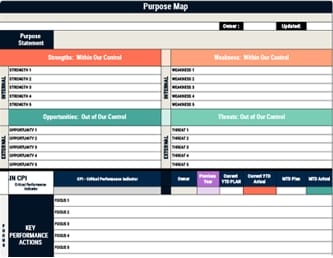
Anchor these feedback loops within a CPI→KPI→KPA loop so daily actions and conversations consistently connect to the outcomes that define success.
Equip Your Team to Follow Through on Commitments
Even the strongest accountability culture will stall if your people lack the resources, skills, or clarity they need to deliver on what they’ve promised. Before you hold someone responsible for a result, confirm they’re genuinely equipped to achieve it by checking these four essentials:
- Clarity of commitment: Define every expectation in an “X to Y by When” format so there’s no ambiguity about what success looks like.
- Skill readiness: Verify that each person has the training and know-how the task demands.
- Tool access: Ensure teams have the software, budget, or support required to execute.
- Visible scoreboards: Provide measurable dashboards so individuals can track their own progress and spot slippage before it compounds.
Incorporating principles like the 1-3-10 rule ensures these scoreboards make performance and problems instantly clear, enabling faster action and stronger follow-through.
Address Accountability Gaps Without Blame
When accountability breaks down, the instinct to search for someone to blame can feel automatic—but that instinct almost always makes the problem worse.
Instead, start by examining whether expectations were unclear or leadership follow-through was inconsistent, since these are the most common root causes of accountability gaps.
Use data and measurable goals to diagnose what actually happened.
When you compare results against a clear “X to Y by when” framework, you can separate genuine performance issues from simple misunderstandings.
Run a structured conversation where you acknowledge the gap, ask for the other person’s perspective, and agree on specific next steps together.
Treat the failure as feedback rather than grounds for punishment, and you’ll build the psychological safety that keeps people honest about problems early.
Embedding accountability into strategy-execution alignment ensures that expectations are clear, measurable, and grounded in how work actually gets done.
Reward Ownership and Learning, Not Just Outcomes
Although most organizations tie recognition exclusively to results, you’ll build a stronger culture of accountability by rewarding the ownership and initiative people demonstrate along the way—not just whether they hit the final target.
Reward ownership and initiative along the way—not just final results—to build true accountability.
Using tools like metrics dashboards to provide real-time visibility into progress reinforces accountability by making effort and ownership transparent.
When you celebrate effort alongside results, employees feel empowered to take responsibility early rather than waiting for guaranteed wins.
To reinforce this approach, consider these practices:
- Track progress using a visible “X to Y by When” scoreboard so initiative-driven behaviors stay front and center.
- Treat mistakes as learning opportunities by studying failures without assigning blame.
- Give frequent feedback using a Start–Stop–Continue pattern that separates behavior from punishment.
- Reward the quality of follow-through and learning in accountability conversations, not just whether the task succeeded.
Frequently Asked Questions
How Do You Maintain Accountability in Fully Remote or Hybrid Teams?
You’ll maintain accountability in remote and hybrid teams by setting clear expectations, using project management tools to track progress, and scheduling regular check-ins that keep everyone aligned.
You should establish transparent communication channels where team members share updates and flag obstacles early.
When you define measurable goals and conduct consistent one-on-ones, you create a structure that ensures ownership remains strong regardless of where your team works.
Can Too Much Accountability Create a Toxic or Fear-Based Workplace?
Persistent, punishing pressure can absolutely push accountability into toxic territory.
When you’re tracking every task and tying mistakes to consequences without offering support, you’ll breed fear rather than growth.
You should balance accountability with psychological safety by ensuring team members feel comfortable admitting errors and asking for help.
Focus on coaching over criticizing, set clear expectations upfront, and treat mistakes as learning opportunities rather than failures worth punishing.
How Long Does It Typically Take to Build a Culture of Accountability?
Building a culture of accountability typically takes six months to two years, depending on your organization’s size, existing culture, and leadership commitment.
You’ll likely notice early shifts in behavior within the first few months as you implement clear expectations and consistent follow-through, but deep cultural change requires sustained effort.
You shouldn’t rush the process, because lasting accountability develops through repeated reinforcement, trust-building, and modeling the behaviors you expect from others.
What Role Does Technology Play in Tracking and Supporting Team Accountability?
Just as a compass and map coincidentally arrived when explorers needed them most, technology serves you the same way by providing real-time dashboards, project management tools, and automated reminders that keep everyone’s commitments visible.
You can leverage platforms like Asana, Monday.com, or Slack to track progress, establish deadlines, and flag bottlenecks, which ensures your team stays aligned and accountable without relying on constant manual follow-ups.
How Should Accountability Practices Differ Across Various Cultural Backgrounds?
You should ensure accountability practices by recognizing that some cultures value collective responsibility over individual ownership, while others prioritize direct feedback versus indirect communication.
When you’re working across cultural backgrounds, you’ll want to adjust how you deliver expectations and feedback—for instance, using private conversations in high-context cultures rather than public evaluations.
Tailoring your approach ensures accountability feels respectful and motivating rather than alienating to diverse team members.
Conclusion
When you define clear expectations, build feedback loops, and equip your team with the right tools and context, accountability becomes like a well-tuned engine—every part working in sync to drive performance forward. You don’t need to rely on blame or micromanagement; instead, you create an environment where people own their commitments, surface problems early, and learn from gaps. Start embedding these practices now, and you’ll see trust and results grow together.