

To build a deliberate practice culture, you set clear, measurable subskill goals, embed short practice blocks into daily work, and normalize mistakes as data. You provide real-time, individualized feedback, use safe-to-fail experiments to stretch capability, and track progress with simple metrics and reflection rituals. You support this with lightweight coaching structures that scale, ensuring focus and momentum without burnout. If you want training to translate into performance, start by defining one skill you’ll practice today…
Key Takeaways
- Define a few critical skills tied to outcomes, with measurable goals and clear standards to move beyond generic training.
- Embed short, structured practice blocks and micro-drills into daily workflows with immediate, specific feedback.
- Normalize mistakes as data; run rapid feedback loops and reflections to target one weakness per cycle.
- Build a mentorship system combining 1:1 coaching, peer learning, playbooks, and regular shadowing/debrief rituals.
- Track progress with concrete metrics (accuracy, speed under constraints) and celebrate small wins to sustain motivation.
Why Deliberate Practice Beats Passive Training
Although clocking hours can feel productive, deliberate practice beats passive training because it targets specific skills with clear goals, immediate feedback, and focused repetition that stretches your current ability.
You move beyond routine repetition by identifying the exact subskills that limit your performance, then designing tasks that isolate and correct them. Instead of reinforcing habits by doing the same thing, you break work into components, practice the hardest parts at the edge of competence, and adjust based on what you learn.
Break work into components, target limiting subskills, push the edge, and adjust from immediate feedback.
You don’t rely on the 10,000-hour myth; you focus on quality and intention. Research shows that demanding, feedback-rich sessions accelerate learning and performance.
When you create space to experiment, accept mistakes, and refine methods, you build intrinsic motivation and psychological safety, enabling steady, measurable improvement.
Deliberate practice also strengthens high-performance behaviors by aligning skill work with clear expectations and measurable indicators, which enhances accountability and accelerates team productivity.
Core Principles of Deliberate Practice at Work
Moving from why deliberate practice outperforms passive training to how you apply it at work, start by defining a small set of specific skills that matter to your team’s outcomes. Then set clear, measurable goals for each skill so people know exactly what “better” looks like.
Build structured practice blocks into daily routines, keeping sessions focused, repeatable, and tied to real tasks so progress compounds. Provide timely, specific feedback that pinpoints where performance breaks down, explains why it matters, and offers a concrete next step. Then revisit quickly to confirm improvement.
Create psychological safety by normalizing mistakes as data, encouraging controlled risk-taking, and separating learning efforts from evaluative consequences.
Finally, commit to long-term development pathways, replacing one-off training with ongoing cycles of practice, measurement, and refinement.
As proof that alignment accelerates execution, companies like Tesla and HubSpot translated strategy into daily behaviors using clear objectives and measurable KPIs, reinforcing practice loops that compound results.
Setting Specific, Measurable Skill Goals
Start by translating broad aspirations into specific, measurable skill goals that target the few behaviors most linked to your team’s outcomes, because clear targets focus attention, enable precise feedback, and make progress visible.
Define exactly what you’ll do, how you’ll measure it, and by when, so practice sessions attack real gaps rather than vague hopes. Use SMART to keep goals concrete, achievable, relevant, and time-bound, yet still stretch beyond your comfort zone to trigger growth.
Calibrate difficulty to your current level, then review results frequently and adjust. Integrate weekly check-ins into your practice cadence to reinforce alignment and accountability through clear OKRs, progress tracking, and ownership.
1) Convert outcomes into behaviors: replace “be better at sales” with “increase discovery questions from 3 to 6 per call for two weeks.”
2) Set evidence rules: decide what data, sample size, and threshold prove progress.
3) Schedule reviews: analyze results weekly, refine targets, and address weak spots.
Designing Practice Into Daily Workflows
When you design practice into daily workflows, you turn routine tasks into structured reps that deliberately strengthen priority skills without adding extra meetings or busywork.
Translate skill goals into micro-activities embedded in the workday, such as a three-minute pre-brief to define the specific behavior you’ll practice, a checklist to guide execution, and a short post-brief to log outcomes.
Define measurable targets for each rep so you can track progress and avoid unfocused effort. Build safe-to-try experiments into recurring tasks, signaling that controlled mistakes are acceptable and learning is expected.
Schedule quick reflection points, like end-of-shift notes that capture what worked, what didn’t, and what to adjust tomorrow. Encourage peer pairing or mentor shadowing during real work to model techniques and reinforce discipline.
Add a simple visual cue to each rep—like a mini scoreboard that follows the 1-3-10 rule—so anyone can see status, spot gaps in seconds, and take action without extra meetings.
Feedback Loops: Real-Time, Individualized, Actionable
Although deliberate practice hinges on repetition, you only improve fast when feedback arrives in real time, is tailored to your specific gaps, and tells you exactly what to do next.
You need a loop that detects errors as they happen, connects them to concrete causes, and translates them into clear next actions you can test immediately. Build this loop around your actual tasks, not side exercises, so the guidance fits your context and constraints.
1) Instrument performance: define observable criteria, capture data live, and flag variance instantly so you can adjust mid-task.
2) Personalize guidance: target one weakness per cycle, state the fix plainly, and set a measurable checkpoint.
3) Diversify perspectives: invite quick peer reviews and mentor insights, then close the loop with reflection and brief follow-ups to track progress.
Integrating visual management tools like Kanban boards and Andon systems provides real-time indicators and shared visibility, accelerating feedback loops and enabling immediate, collaborative course correction.
Stretching Beyond Comfort With Safe-To-Fail Experiments
Because deliberate practice stalls at the edge of your current routines, you need safe-to-fail experiments that push you just beyond comfort while containing downside risk and amplifying learning.
Design small, time-boxed trials with clear hypotheses, simple success and failure signals, and explicit guardrails, so you can take real risks without risking mission-critical outcomes. Set the difficulty slightly above your current capability, then collect baseline metrics, run the trial, and compare results to isolate what changed.
Frame mistakes as data, not verdicts, because psychological safety determines whether you’ll actually test bold ideas.
Close each experiment with structured reflection: what you intended, what actually happened, what you learned, and what you’ll adjust next. Capture feedback quickly, translate insights into the next iteration, and compound gains through repeated cycles.
To maximize impact, align experiments with strategic goals so wins scale across teams, leveraging vertical and horizontal alignment to enhance collaboration, clarity, and faster revenue growth.
Coaching and Mentorship Structures That Scale
Start by designing coaching and mentorship as a system, not a favor: pair experienced practitioners with learners for targeted guidance, define clear goals and measurable outcomes up front, and establish cadences that make feedback routine rather than ad hoc.
Design mentorship as a system: intentional pairings, clear goals, and consistent, cadence-driven feedback.
Build a scalable model that blends one-to-one coaching with peer-to-peer learning, so participants exchange insights, reinforce standards, and strengthen community. Use structured playbooks that outline roles, session agendas, and escalation paths, ensuring consistency across teams and locations.
1) Create tiered mentor pools, matching expertise to learner needs, and rotate pairings to broaden exposure while avoiding bottlenecks.
2) Run regular feedback cycles, combining real-time coaching with periodic 360-degree reviews to sharpen accountability and reveal growth opportunities.
3) Embed coaching rituals into workflows—shadowing, debriefs, and practice reps—so deliberate practice becomes the default.
Integrate coaching goals with OKRs to align development efforts with strategic objectives and enable measurable progress tracking across teams.
Measuring Progress: Metrics, Milestones, and Reflection
If you want deliberate practice to actually raise performance, define what “better” means and track it with specific metrics tied to clear goals, then use milestones and reflection to steer each next step.
Choose quantifiable indicators that map directly to the skill, such as accuracy rate, speed under constraints, error types per attempt, or complexity handled per session, and log them consistently so trends become visible.
Break your goals into milestones that mark meaningful capability gains, not just time spent, then review them on a set cadence to confirm you’re progressing at the right pace.
After each session, reflect on what improved, what stalled, and why, using a brief journal to capture evidence.
Invite peer reviews and mentor feedback to validate results, surface blind spots, and sharpen your next practice plan.
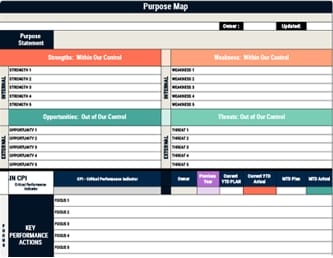
To avoid measurement overload, define a few Critical Performance Indicators that represent success, then align supporting KPIs and daily actions to drive them.
Sustaining Momentum: Rest, Motivation, and Continuous Learning
Though deliberate practice thrives on intensity, sustaining momentum over months requires a rhythm that blends focused effort with purposeful recovery, intrinsic motivation, and ongoing learning.
You won’t maintain gains without rest, because mental downtime consolidates skills, reduces fatigue, and prevents burnout that erodes consistency. Anchor your effort in purpose: tie each practice block to goals you value, and you’ll persist when challenges rise. Aligned teams that integrate clear communication and shared values maintain higher engagement and adapt faster, sustaining consistent practice over time.
Keep learning beyond initial training by exploring new methods, tools, and perspectives, which protects adaptability and accelerates performance.
1) Schedule recovery: build short breaks into sessions, set weekly light days, and honor sleep as nonnegotiable.
2) Fuel motivation: link tasks to personal meaning, track small wins, and celebrate useful mistakes in a safe environment.
3) Extend learning: rotate drills, seek feedback, and share insights across teams.
Frequently Asked Questions
How Do We Secure Executive Buy-In and Budget for Deliberate Practice?
You secure executive buy-in and budget by tying deliberate practice to urgent business goals, quantifying impact, and piloting fast.
Build a brief case: define the skill gaps, estimate KPI lift, and show cost of inaction.
Propose a 90-day pilot with clear metrics, lightweight tooling, and manager coaching.
Share projected ROI, risk controls, and a rollout plan.
Recruit an executive sponsor, schedule monthly reviews, and commit to transparent dashboards and quick iteration.
What Change Management Steps Ease Adoption Across Different Departments?
Start with stakeholder mapping, since projects with strong sponsorship are 3.5 times likelier to succeed.
Then define clear outcomes, metrics, and owners per department. Build a coalition of champions, co-design workflows, and pilot in two contrasting teams to refine playbooks.
Provide targeted training, job aids, and office hours, while aligning incentives and performance reviews.
Communicate progress with dashboards, manage resistance through listening sessions, and institutionalize wins via updated SOPs and onboarding.
How Can Unions or Works Councils Be Engaged in Program Design?
Engage unions or works councils by inviting representatives into co-design workshops, sharing program goals, risks, and success metrics early, and negotiating clear guardrails on workload, privacy, and evaluation use.
Provide transparent skill data policies, pilot options, and opt-in pathways, then incorporate feedback into curricula and scheduling.
Establish a joint governance group for ongoing review, define escalation protocols, and publish impact reports, ensuring training time is protected in contracts and aligned with career progression.
What Tools or Platforms Best Operationalize Deliberate Practice at Scale?
By coincidence, the best options blend practice loops, coaching, and data.
You’ll scale with platforms like Docebo or 360Learning for structured paths, while Lessonly or Eduflow deliver micro-scenarios and feedback.
Pair them with Gong or Chorus for performance capture, and MentorcliQ or Together for coaching.
Use Salesforce or ServiceNow to embed practice in workflows, add Credly for credentialing, and wire everything through an LXP plus an LRS (Watershed) to track deliberate repetitions and outcomes.
How Do We Address Legal, Privacy, and Data Ethics in Performance Tracking?
You address legal, privacy, and data ethics by defining explicit purposes, minimizing collected data, and using consent that’s informed, granular, and revocable.
You implement role‑based access, encryption, and retention limits, then log and audit every access.
You anonymize or pseudonymize performance metrics, separate identifiers, and restrict manager visibility to job‑relevant signals.
You conduct DPIAs, map cross-border flows, and honor rights requests.
You govern models for bias, explainability, and provenance, and document everything.
Conclusion
You build a deliberate practice culture when you set specific skill targets, design short practice blocks into real work, and seek fast, actionable feedback; you grow it when you run safe-to-fail experiments, reflect on outcomes, and adjust plans; you sustain it when you track metrics, celebrate milestones, and schedule rest. Start small, repeat consistently, and coach openly, because when you practice with intention, measure with rigor, and iterate with humility, you turn daily tasks into compounding skill gains.