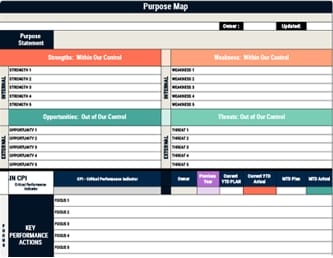


Over the first six months, you’ll assess current operations, define measurable goals, and select a BOS that fits your processes and growth plan, then establish governance, roles, and a realistic project plan. You’ll map workflows, design data architecture, and configure the system while preparing migration, testing, and training to guarantee change readiness. Finally, you’ll execute go-live, stabilize with metrics and feedback loops, and iterate improvements—so the pivotal question becomes how you’ll sequence these steps for momentum.
Key Takeaways
- Months 0–1: Assess operations, run SWOT, set North Star goals, and define measurable KPIs aligned to business outcomes.
- Month 1–2: Select BOS platform via structured vendor comparison; decide pilot scope and phased rollout; define success metrics.
- Month 2–3: Establish governance, project plan, roles, decision rights, communication cadence, and issue escalation paths.
- Months 3–4: Design future-state workflows, configure system, finalize data architecture/governance, cleanse/migrate data, integrate systems, and run end-to-end testing.
- Months 4–6: Execute go-live week, deliver training and UAT, monitor KPIs, provide SLAs-based support, and iterate via scorecards and feedback loops.
Assessing Current Operations and Defining Goals
Before you map out a Business Operating System, start by systematically analyzing how work gets done today and then translate those findings into clear, measurable goals.
Begin by evaluating current operations across departments, documenting existing processes, handoffs, and bottlenecks, then validate observations with data and frontline feedback. Engage key stakeholders early to surface blind spots and align on priorities, since their insights clarify where operational enhancements will have the greatest impact.
Use a structured SWOT analysis to connect strengths and weaknesses to opportunities and threats, ensuring your targets support the broader strategic vision.
From there, focus on defining clear goals that convert pain points into measurable goals tied to key performance indicators. Establish baselines, select leading and lagging KPIs, and commit to data-driven decision-making that guides accountability and continuous improvement.
To strengthen focus and cohesion, consider aligning goals with a single guiding metric using a North Star approach that keeps every department working toward the same crucial outcome.
Selecting the Right BOS and Implementation Approach
How do you choose a Business Operating System that actually fits your organization and set up an implementation approach that sticks? Start by mapping organizational needs to your business goals, then shortlist platforms that scale with growth and support your core processes.
Conduct structured comparisons of vendors, weighing capabilities, integration options, total cost, and user feedback to filter noise from real performance. Involve key stakeholders early, since their requirements and constraints help you create a tailored BOS that won’t clash with day-to-day work.
Define your implementation approach before purchase: pilot in a representative area, then expand via a phased rollout that supports gradual adaptation. Set clear metrics for success—adoption rates, cycle time, error reduction, and value created—so you can monitor outcomes, course-correct quickly, and sustain momentum. To sustain traction, establish governance rhythms with regular progress tracking, enabling aligned OKRs, transparent communication, and adaptable updates throughout the rollout.
Establishing Governance, Roles, and Project Plan
Even as you finalize your BOS selection, set up governance early by forming a cross-functional project team with an executive sponsor, a project manager, and departmental representatives who can speak to real operational needs and constraints. Begin by establishing governance with clear roles, responsibilities, and decision-making authority, documenting who approves budgets, scope changes, and timing, and who resolves risks. Define a project plan that maps key milestones, timelines, dependencies, and resource allocation, then review it in regular cadence meetings to track progress and adapt. Stand up communication channels—status dashboards, weekly updates, and issue logs—to drive transparency and stakeholder engagement. Create a practical conflict resolution path, escalating from the project manager to the sponsor when needed, so the implementation process maintains momentum and accountability. To support clarity and performance, align roles and goals with shared values and clear communication to enhance engagement and collaboration.
Designing Processes and Data Architecture
While your governance and project plan establish the “who” and “when,” designing processes and data architecture defines the “how” and “what” that make the BOS deliver value, so start by mapping end-to-end workflows that reflect organizational goals, leverage system capabilities, and remove bottlenecks.
Conduct a gap analysis to compare current practices with desired outcomes, then document future-state steps, roles, inputs, and outputs.
Specify the data architecture early, detailing entities, relationships, storage, and access patterns to support seamless integration and real-time insights.
Establish data governance policies for ownership, quality rules, security, and retention, so data integrity remains consistent across teams.
Drive user engagement through workshops and prototypes, validating system usability.
Finally, define standards for naming, metadata, and interfaces to guarantee maintainable, scalable designs.
To sustain effectiveness, schedule regular reviews such as quarterly assessments and track performance metrics to align the BOS with evolving goals and identify areas for refinement.
Configuring the System and Preparing Data Migration
With your target processes and data model defined, move into configuring the system so it reflects those designs and prepares clean, reliable information for go‑live.
Start configuration by aligning workflows and user roles with existing processes, allocating 4 to 6 weeks based on complexity, and documenting each rule so permissions, approvals, and exceptions are clear.
Align workflows and roles with current processes; plan 4–6 weeks and document permissions, approvals, and exceptions.
Prepare data migration in parallel: profile sources, remove duplicates, standardize formats, and verify regulatory compliance before mapping fields and building repeatable import scripts.
Establish real-time integration with current applications using APIs to enable seamless communication and immediate updates, then validate mappings with sample loads.
After integration, run end-to-end testing to surface technical gaps and confirm cross-system behavior under realistic volumes.
Draft targeted training materials that mirror configured workflows, and schedule user acceptance testing to capture practical feedback.
To reinforce transparency and collaboration during rollout, incorporate visual management with Kanban boards or metrics dashboards to provide real-time status and quick issue visibility.
Testing, Training, and Change Management Readiness
Because your configuration now mirrors real workflows, you should run testing, training, and change management activities in parallel, using each to inform the others and surface risks early.
Plan user acceptance testing with real tasks, capture gaps in system functionality, and feed outcomes into targeted training modules. Build role-based training paths, including quick reference guides and short simulations, so users practice the most frequent scenarios and raise proficiency that boosts user adoption rates.
Embed change management into the implementation process with clear communication cadences, FAQs, and leader talking points that reinforce purpose and timeline.
Measure employee engagement through pulse surveys, office hours, and feedback forms, then adjust materials where confusion persists.
Assess organizational culture and readiness by mapping stakeholders, identifying resistors and champions, and assigning actions, ensuring concerns are addressed before broader rollout.
To reinforce adoption and business outcomes, align testing insights and training objectives with your strategic goals to strengthen vertical and horizontal alignment and improve collaboration and productivity.
Go-Live Strategy and Stabilization
As you shift from readiness to action, define a crisp go-live plan that spans about one week, sets clear decision rights, and outlines how issues flow from frontline users to vendor support for rapid resolution.
Lock the go-live date, confirm cutover steps, and brief leaders on escalation paths. During this window, maintain steady communication channels, publish status updates, and track system performance against baseline metrics.
Continue user training with short refreshers and floor-walking, capturing employee feedback to surface potential issues quickly. Treat stabilization as an extension of the implementation project, where you triage defects, fine-tune configurations, and verify data integrity.
Continue refresher training and floor-walking to capture feedback, triage defects, optimize configurations, and verify data integrity.
Schedule post-implementation support with clear SLAs, daily checkpoints, and knowledge transfer so ongoing support teams inherit well-documented procedures and known workarounds.
- Define triage priorities and decision-makers
- Schedule daily standups and vendor checkpoints
- Publish quick-reference guides and FAQs
- Monitor error rates and transaction times
- Log, categorize, and resolve user-reported issues
Taking a cue from companies that aligned strategy and execution effectively, embed clear OKRs and routine progress reviews to keep teams focused on measurable outcomes, much like Spotify’s emphasis on user engagement to drive continuous improvement.
Continuous Improvement and Performance Monitoring
Although go-live marks a milestone, you now shift into a disciplined loop of measurement, learning, and adjustment that keeps your Business Operating System improving over time.
Start by defining key performance indicators tied to outcomes, then complete an assessment of processes to identify bottlenecks, waste, and gaps in handoffs.
Build a scorecard system that displays weekly metrics, owners, and targets, so performance monitoring is visible and consistent.
Establish a structured feedback loop with employees and stakeholders, capturing insights from the front line, customers, and partners.
Hold regular review meetings, such as L10s, to examine trends, resolve issues, and prioritize improvements, promoting transparency and accountability.
Use data-driven decisions to refine business processes, updating workflows and SOPs, testing changes in small cycles, and validating gains before scaling broadly.
Align leadership and objectives to ensure strategies are actionable and measured, fostering a culture of ownership and accountability through clear roles and consistent communication.
Frequently Asked Questions
How Do You Write a Timeline for an Implementation Plan?
You write a timeline by defining phases—discovery, planning, design, development, testing, deployment, and support—then assigning realistic durations based on scope and resources.
For each phase, set clear objectives, milestones, owners, and entry/exit criteria, ensuring dependencies are explicit. Engage stakeholders early to align expectations and responsibilities.
Build buffers for risks, schedule regular reviews, and adjust as feedback and constraints emerge. Capture decisions, update dates, and track progress against milestones to maintain momentum.
What Are the 7 Stages of Implementation of ERP?
The seven ERP implementation stages are discovery and planning, design, development, testing, deployment, support, and optimization.
You start by evaluating processes and defining goals, then design specifications around user needs and workflows.
Next, you configure and customize the system, prepare training, and plan data migration.
You rigorously test functionality and data, deploy with controlled cutover, and provide post-go-live support, while you continuously optimize processes and configurations to drive measurable improvements.
What Is the Average Timeline for ERP Implementation?
You should expect an ERP implementation to take 4–6 months for small businesses, 4–12 months for mid-sized firms, and 12–24 months for large enterprises.
Plan for six phases—discovery and planning, design, development, testing, deployment, and support—since each adds time and coordination.
Build a realistic schedule, secure sufficient resources, and manage stakeholders closely, because scope changes, integrations, and data migration can extend timelines, while continuous assessment helps keep the project on track.
What Are the 5 Levels of Implementation?
The five levels are Vision, People, Data, Issues, and Process.
Since 67% of strategies fail due to poor execution, you should anchor Vision first, clarifying purpose and long-term goals.
Next, define People roles, using a People Analyzer to guarantee values fit.
Build a Data Scorecard with clear KPIs.
Create an Issues cadence to identify, discuss, and resolve root causes.
Finally, document core Processes, train owners, and audit adherence for consistency and scalability.
Conclusion
In six months, you test the theory that a disciplined Business Operating System turns scattered processes into a coherent engine, and the evidence is visual: mapped workflows, clean data flows, clear roles, and measurable outcomes. You align goals, select a platform, govern decisions, design architectures, migrate data, and validate through testing and training. You then go live with a stabilization plan, monitor performance with feedback loops, and iteratively refine, proving adoption and improvement with concrete metrics.