

You can break down departmental silos by aligning teams around a clear enterprise vision, agreeing on shared goals, and setting common metrics that tie daily work to outcomes, which reduces duplication and delays. Start by naming the silos you face, map dependencies, and create regular cross-functional forums with defined decision rights. Then standardize collaboration tools, document handoffs, and reward joint outcomes, because without structure and incentives, cooperation fades—and the cost of misalignment grows just when you need speed most.
Key Takeaways
- Translate the vision into shared, measurable objectives and KPIs visible to all teams to align priorities and outcomes.
- Establish predictable cross-functional rhythms: regular interdepartmental meetings with clear agendas, decisions logs, and defined owners.
- Use an integrated toolkit (Slack/Teams, Confluence/SharePoint, Asana/Trello, Tableau/Power BI) to centralize communication, tasks, and metrics.
- Create cross-functional teams with clear roles, shared milestones, and joint accountability to reduce duplication and speed delivery.
- Measure alignment rigorously with KPIs, pulse surveys, and executive sponsorship reviews; iterate through CPI→KPI→KPA to close execution gaps.
Understanding Organizational Silos and Their Impact
Although departments often specialize for good reasons, organizational silos emerge when those teams operate in isolation, creating misaligned goals, duplicated work, and slow, error-prone handoffs.
You see it when marketing launches a campaign without consulting sales, or when engineering and support pursue conflicting priorities, and the fallout is predictable: duplicated efforts, wasted resources, and delayed timelines.
Silos restrict the flow of ideas, so innovation slows, decisions take longer, and culture weakens because people stop seeking diverse perspectives.
You can trace the causes to misaligned objectives, weak communication channels, and leadership that doesn’t reinforce shared accountability.
To counter this, foster open communication, align departmental goals with enterprise outcomes, encourage cross-functional projects that share ownership, and secure leadership support to model and reward collaborative behaviors.
Aligned organizations can grow revenue 58% faster and be 72% more profitable, underscoring the value of strengthening both vertical and horizontal alignment to break down silos.
Types of Silos: Departmental, Functional, and Project-Based
When you examine how work gets done across an enterprise, you’ll see three common silo patterns—departmental, functional, and project-based—that fragment information flow and weaken alignment if left unchecked.
Departmental silos emerge when marketing, sales, finance, or operations prioritize unit goals over enterprise objectives, creating conflicting strategies, duplicated work, and slow handoffs.
Functional silos arise when specialists, such as data analysts or engineers, cluster by expertise yet operate in isolation, which delays decisions, narrows perspectives, and misaligns goals across initiatives.
Project-based silos form when temporary teams deliver outcomes but fail to integrate learnings, tooling, and standards back into the organization, causing knowledge loss and rework.
You should identify these patterns early, make accountabilities explicit, and connect teams to shared outcomes, reducing inefficiencies and improving performance.
To counter these silos, adopt Strategic Alignment practices and frameworks like OKRs to unite teams around shared objectives and maintain continuous communication and feedback loops.
The Silo Mentality: Causes and Organizational Consequences
Because silo mentality takes root quietly and then hardens, you need to recognize its causes early and address them directly. It often begins with misaligned goals, where each department optimizes for its own metrics rather than shared outcomes, and it’s reinforced by weak communication channels that keep information trapped.
When teams don’t exchange context, they duplicate efforts, create inefficient processes, and escalate misunderstandings into conflicts that further entrench boundaries.
You also face a strategic gap: if 72% of employees don’t fully understand the company strategy, departmental priorities drift, collaboration slows, and cross-team trust erodes.
Over time, silos restrict the flow of diverse perspectives, which stifles innovation and slows adaptation to changing markets and customer needs. Morale suffers, productivity drops, and organizational effectiveness declines.
Bridging silos requires engaging stakeholders early so leaders can align on clear objectives, communicate the vision consistently, and tie strategy to actionable metrics that drive coordinated execution.
Signs Your Organization Is Operating in Silos
Spotting silo behavior early lets you correct course before misalignment hardens into routine. You’ll notice it when communication breaks down, work gets duplicated, and teams pull in different directions, often because people don’t grasp the bigger picture.
Catch silos early: breakdowns, duplicate work, and misaligned teams signal missing shared context.
If 72% of employees lack a full understanding of strategy, your departments will default to local priorities, increasing rework and friction.
- Poor communication and misalignment: Meetings feel repetitive, updates don’t travel, and projects overlap because teams plan in isolation.
- Interdepartmental conflicts: Disputes spike over priorities or handoffs, signaling fragmented workflows and unclear ownership.
- Low morale and isolation: With 40% feeling disconnected, engagement falls, and productivity stalls as employees lose context and support.
- Misaligned goals and opacity: Marketing launches without sales input, messages clash, and limited transparency hides critical information, wasting opportunities.
Aligned organizations also adapt faster to market changes, improving collaboration and performance through clear communication that connects strategy to daily work.
Aligning Around a Unified Vision and Shared Objectives
Although vision statements can sound abstract, you align an enterprise by translating a clear, shared vision into a small set of measurable objectives that every team can see, influence, and review regularly.
Start by restating the vision in plain language, then tie it to three to five outcomes that transcend departments, because 52% of employees don’t know the vision and 72% don’t fully grasp the strategy.
Convert outcomes into KPIs and shared milestones, such as a unified DRO target, since common goals helped reduce DRO from 29.7 to 28.6.
Build transparency with dashboards, cadence-based reviews, and interdepartmental meetings that surface dependencies and risks.
Reinforce accountability by linking team goals to enterprise metrics, which boosts collaboration and raises cross-functional project success from 19% to 76%.
As proof that alignment drives execution, companies like Tesla, Airbnb, and PayPal used clear objectives and cross-functional collaboration to become leaders through strong strategy-execution alignment.
Leadership’s Role in Enabling Cross-Silo Collaboration
While tools and processes matter, cross-silo collaboration starts with leadership that models the behavior it expects, sets clear norms, and removes friction that keeps departments apart.
You set the tone by showing how to partner across functions, communicating openly, and rewarding information sharing rather than territorial control. Your actions should make it easy for people to connect, learn, and solve problems together.
- Model visible collaboration by co-leading initiatives with peers, demonstrating respectful debate, and sharing credit, so employees see standards in practice.
- Establish open communication rhythms, such as cross-department forums and transparent updates, to reduce confusion and surface dependencies early.
- Build trust by honoring commitments, clarifying decision rights, and protecting psychological safety, which encourages candid knowledge exchange.
- Sponsor joint projects and connect teams with external experts, accelerating learning, improving problem-solving, and broadening perspectives.
Leaders should also align cross-silo efforts with organizational objectives and set measurable performance indicators to reinforce focus and accountability, drawing on operational excellence practices to sustain collaboration.
Strategies to Foster Cross-Functional Teamwork
Because cross-functional teamwork thrives on clarity and shared momentum, start by creating predictable collaboration rhythms—regular interdepartmental meetings with clear agendas, decision logs, and follow-ups—so dependencies surface early and teams coordinate without rework.
Prioritize these touchpoints because organizations that elevate cross-functional collaboration see project success rates improve by up to 76%, reinforcing the value of disciplined cadence.
Next, form designated cross-functional teams with clear roles, shared metrics, and time-bound charters, since structured collaboration correlates with a 53% performance lift.
Align departmental goals to company objectives, translating strategy into quarterly targets and guardrails, which closes gaps for the 72% who don’t fully grasp strategy.
Finally, sponsor joint projects that demand co-ownership of outcomes, building adaptability to market shifts while strengthening a collective purpose.
Add regular governance rhythms for progress tracking and aligned OKRs to connect top-level strategies with everyday operations and reinforce accountability across teams.
Tools and Platforms That Enable Knowledge Sharing
Start by establishing a clear toolkit that removes friction from cross-functional work, pairing real-time communication, structured documentation, project tracking, and shared analytics so knowledge flows where it’s needed.
Choose platforms that integrate cleanly, apply consistent conventions, and make information easy to find, so teams don’t waste time hunting for answers or duplicating effort. Also ensure dashboards use color-coded indicators and real-time visualization so teams can quickly spot deviations and take timely action.
- Use Slack or Microsoft Teams for rapid questions, quick decisions, and channel-based updates, and standardize naming to keep threads searchable and focused.
- Store knowledge in Confluence or SharePoint, define page templates, and set permissions thoughtfully so experts can publish and others can discover.
- Manage delivery with Asana or Trello, mapping cross-team dependencies, owners, and deadlines, then automate status signals.
- Share insights through Tableau or Power BI dashboards, align metric definitions, and schedule refreshes to keep decisions current.
Building a Culture of Trust, Transparency, and Open Communication
Even before tools and processes, you need a shared culture where trust, transparency, and open communication make collaboration safe and efficient, because people contribute more when they believe their voice matters and their leaders tell the full story.
Start by setting a unified vision and values, then repeat them often, since belief in shared values correlates with better financial performance.
Close the strategy gap by explaining priorities in plain language, holding regular cross-department meetings, and linking team objectives to enterprise outcomes.
Create predictable forums for questions, feedback, and ideation, and respond visibly so people see action and accountability.
Normalize cross-functional relationships through structured projects and recurring touchpoints, because interdepartment engagement drives impact and growth.
Finally, model candor, document decisions, and recognize collaborative behaviors.
And remember, approximately 67% of strategies fail due to poor execution, so building feedback loops and clear ownership helps close the strategy execution gap.
Measuring Progress and Sustaining Cross-Enterprise Alignment
While culture sets the tone for collaboration, you sustain cross-enterprise alignment by measuring it rigorously and acting on what you learn. Use clear KPIs that reflect collaboration quality, not just activity, and review them on a fixed cadence so you can intervene early.
Combine quantitative signals with employee feedback to understand communication gaps and remove friction that slows decisions.
- Define KPIs: track cross-functional projects initiated and completed, cycle times, shared OKR attainment, and dependency resolution speed.
- Gather feedback: run regular pulse surveys, analyze comments for bottlenecks, and close the loop with visible actions.
- Engage leaders: require sponsorship reviews, reinforce the unified vision, and model cross-team behaviors in planning and resourcing.
- Enable with technology: deploy real-time collaboration tools, standardize shared repositories, and audit usage to guarantee adoption.
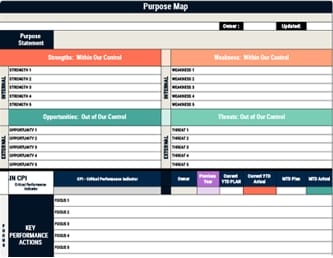
Conduct periodic initiative assessments to adapt strategies and confirm contribution to enterprise goals. Add a simple CPI→KPI→KPA execution loop that links outcomes to drivers and daily behaviors, using Critical Performance Indicators to define success, supporting KPIs to monitor progress, and coachable KPAs to ensure accountability.
Frequently Asked Questions
How Can Incentives Be Redesigned to Reward Cross-Functional Outcomes?
Tie rewards to shared metrics, not departmental totals, so you prioritize outcomes spanning customer value, cycle time, quality, and revenue.
Define joint OKRs, weight them 60–80% of bonuses, and split recognition across contributing teams.
Use milestone gates that require sign-offs from partner functions, preventing local optimization.
Add spot awards for collaboration behaviors, publish scorecards for transparency, and run quarterly retros to adjust targets, ensuring incentives steer coordinated delivery, not siloed wins.
What Governance Models Prevent Turf Wars During Shared Initiatives?
Use a RACI-driven governance model with a single executive sponsor, because it clarifies ownership, aligns decision rights, and reduces overlap.
Establish a cross-functional steering committee that sets scope, resolves escalations quickly, and enforces shared KPIs.
Implement stage gates with documented charters, budgets, and risk logs, so changes are approved transparently.
Create working groups with defined interfaces and SLAs, and require quarterly retrospectives to adjust roles, remove ambiguity, and prevent renewed turf claims.
How Do We Handle Data Ownership and Access Across Departments?
Structured stewardship solves it: you define data domains, assign accountable data owners, and publish clear access policies.
You catalog datasets with metadata, classify sensitivity, and set role-based permissions, so people get what they need without overreach.
You use DataOps workflows, approval queues, and audits to track requests and changes.
You standardize interfaces with APIs, monitor quality with SLAs, and resolve conflicts through a data council that enforces rules and escalates issues.
Which Hiring Profiles Best Thrive in Cross-Functional Environments?
You should prioritize T-shaped generalists, systems thinkers, and product-minded operators who translate goals into coordinated work.
Hire collaborative communicators who write clearly, manage conflict constructively, and facilitate decisions.
Seek data-literate problem solvers with curiosity, resilience, and bias for action, who validate assumptions with evidence.
Value project managers with stakeholder savvy, engineers with business empathy, and analysts who synthesize insights, ensuring they navigate ambiguity, negotiate trade-offs, and sustain momentum across teams.
How Should Budgets Be Allocated for Joint, Multi-Team Projects?
Allocate budgets by tying funds to shared outcomes, not departments, then split into three pools: core delivery (features, engineering, ops), enablement (research, design, data, tooling), and risk/contingency.
Use a single cost center with chargeback tags, set clear cost owners, and track burn by workstream.
Fund milestones, not headcount, and re-baseline quarterly using velocity, scope change, and risk.
Require joint approvals for reallocations, and publish variance reports biweekly to maintain transparency.
Conclusion
Treat your organization like a bridge: each team is a cable, strong alone but only reliable when tension is balanced. You align by setting one north star, translating it into shared metrics, and holding regular cross-functional forums that surface risks early. You reinforce trust through transparent roadmaps and open channels, while collaborative tools keep knowledge moving. Measure throughput, cycle times, and dependency health, adjust rituals when signals degrade, and you’ll cross faster, steadier, and together.